
Helping Children Navigate Big Emotions: Building Safety, Understanding, and Connection
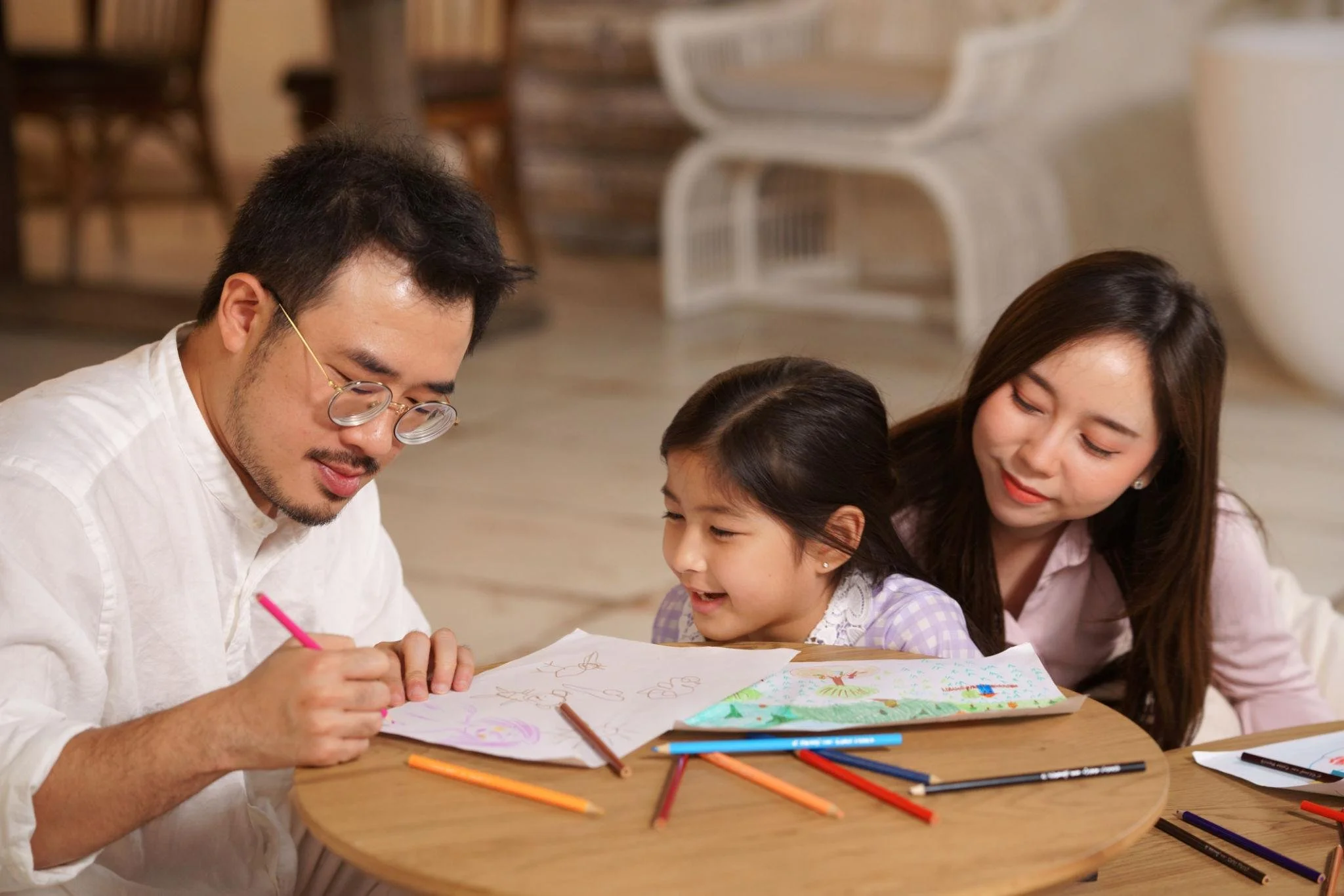
Every child experiences big emotions.
Excitement, disappointment, frustration, worry, sadness, pride, and joy are all part of being human. As adults, we know that emotions can sometimes feel overwhelming. For children who are still learning about themselves and the world around them, those feelings can feel even bigger.
As parents and caregivers, it can be difficult to know how to respond when emotions run high. We may want to make the feeling go away, solve the problem immediately, or help our child calm down as quickly as possible.
Yet some of the most meaningful moments of growth happen when children learn that all emotions are welcome and that they don't have to navigate them alone.
Big Emotions Are Part of Growing Up

Children are constantly learning.
They are learning how to make friends, try new things, manage disappointment, handle uncertainty, and understand themselves. Along the way, they are also learning how to identify and express their emotions.
This takes time.
Emotional regulation is not a skill children are born with. It develops through experience, practice, and supportive relationships.
A child who becomes frustrated may still be learning how to cope with challenges.
A child who reacts strongly to disappointment may be learning how to manage expectations.
A child who feels worried or overwhelmed may still be developing the tools needed to express those feelings in words.
Rather than viewing these moments as failures, we can view them as opportunities for learning and growth.
Why Feeling Safe Matters
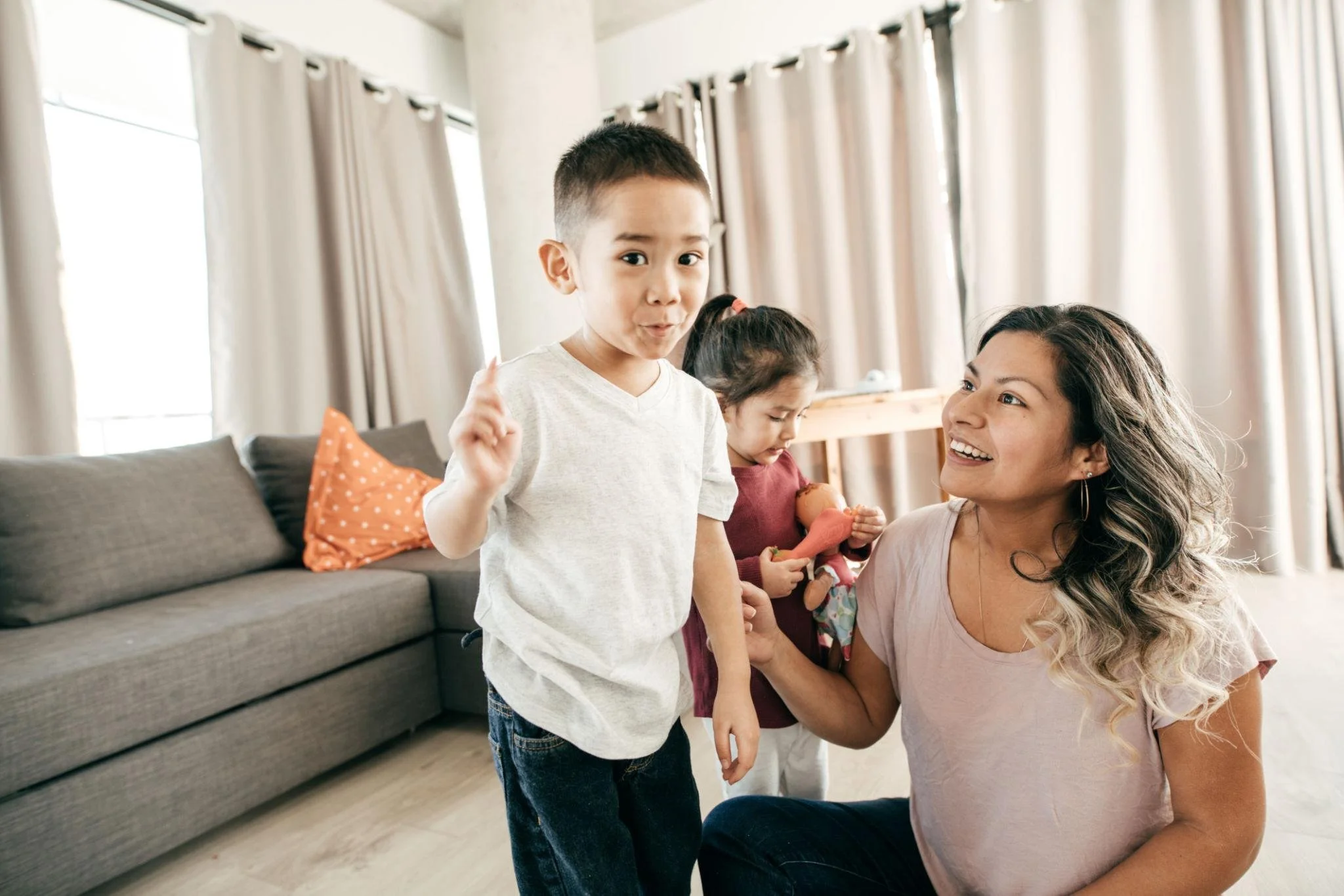
When emotions become intense, children benefit most from feeling safe, supported, and understood.
In those moments, children are often looking to the trusted adults around them for guidance.
Safety doesn't mean removing every difficult feeling. Instead, it means helping children understand that emotions are a normal part of life and that they can move through those emotions with support.
When children feel emotionally safe, they are more likely to:
Express their feelings openly
Ask for help when they need it
Develop confidence in handling challenges
Build healthy coping skills
Strengthen trust within relationships
Emotional safety creates the foundation for emotional growth.
Understanding Before Problem-Solving

When a child is upset, our first instinct is often to fix the situation.
Sometimes, however, children need understanding before they need solutions.
Simple responses such as:
"That sounds really hard."
"I can see why you feel disappointed."
"I'm here with you."
"Tell me more about what's going on."
can help children feel seen and supported.
These moments do not solve every problem, but they communicate something equally important:
You are not alone with this feeling.
Over time, children learn that emotions are manageable and that they have trusted people who can help them navigate difficult moments.
Helping Children Build Emotional Skills
Supporting emotional growth doesn't require having all the answers.
Often, it starts with small, consistent practices:
Naming emotions together
Modeling healthy ways to cope with stress
Encouraging open conversations about feelings
Celebrating effort and progress
Creating space for children to express themselves
These everyday interactions help children build self-awareness, confidence, and resilience over time.
Like any skill, emotional regulation develops gradually. Growth often happens one conversation, one experience, and one supportive relationship at a time.
Growing Through Connection

One of the most powerful tools we can offer children is connection.
When children know they are loved, valued, and supported—even during difficult moments—they are more likely to develop the confidence needed to navigate challenges and grow from them.
This doesn't mean parents need to respond perfectly.
In fact, children benefit from seeing that relationships can include mistakes, repairs, learning, and growth.
Connection is not about perfection. It's about showing up with curiosity, compassion, and a willingness to understand.
Moving Forward Together

Big emotions are a natural part of childhood and an important part of learning.
When we approach those moments with patience, understanding, and connection, we help children develop skills that can support them throughout their lives.
As you reflect on your own family, consider this question:
How do you help your child feel safe, seen, and understood when emotions run high?
Sometimes the answer begins with a simple reminder: children don't need perfect parents. They need caring adults who are willing to listen, learn, and grow alongside them.
And if your family is navigating challenges related to emotions, stress, life transitions, or connection, know that support is available. Having a compassionate space to explore those experiences can help children and families continue growing together.
